manea-k shazalakazoo 44 remix – max pashm
Chapter 14:
An Alternative for Germany
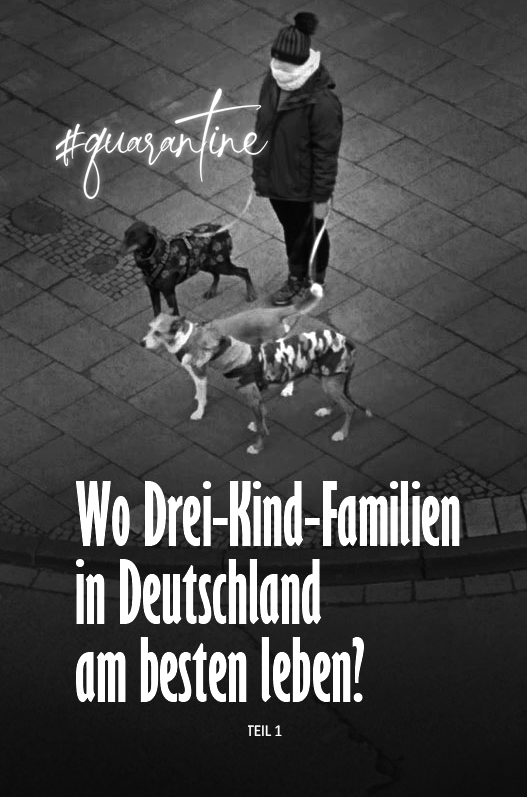
Local elections were held recently. Campaign posters of various parties were hanging on the streets of Solingen—including posters of new parties, whose female representatives posed wearing headscarves and bearing strange names. But that’s not the point. They are a consequence. What we are talking about here is the root cause: German women do not give birth to children.
One of the posters belonged to the AfD (a party considered by many to be Nazi). It read:
“Wir holen zusammen Solingen zurück.” In other words: We will take Solingen back from foreigners. But how? Where are you going to put them?
I want to ask every AfD party member just one question:
How many children do you have? One? Oh… none at all? So what exactly do you want? How are you going to save your country—through endless chatter in parliament? Or by taking Russian money and promoting Russia’s interests? One of AfD’s leaders is a lesbian, naturally producing no offspring.
A woman who avoids her primary function—giving birth—is a blank shot for nature.
Let us not forget that she herself was once born to a mother who didn’t sleep at night, who worried and sometimes cried. But this substance decided that she could rest and not concern herself with insignificant matters—giving birth, cleaning, washing, cooking, and so on.
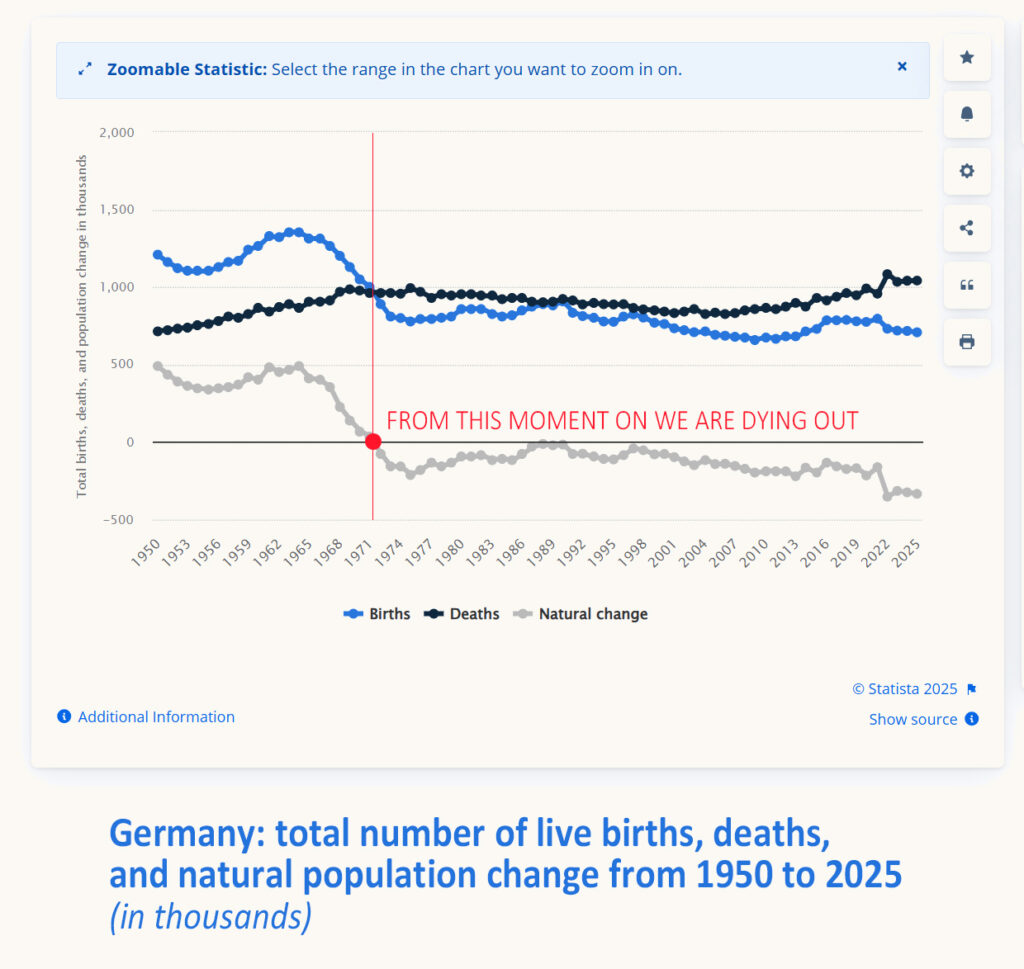
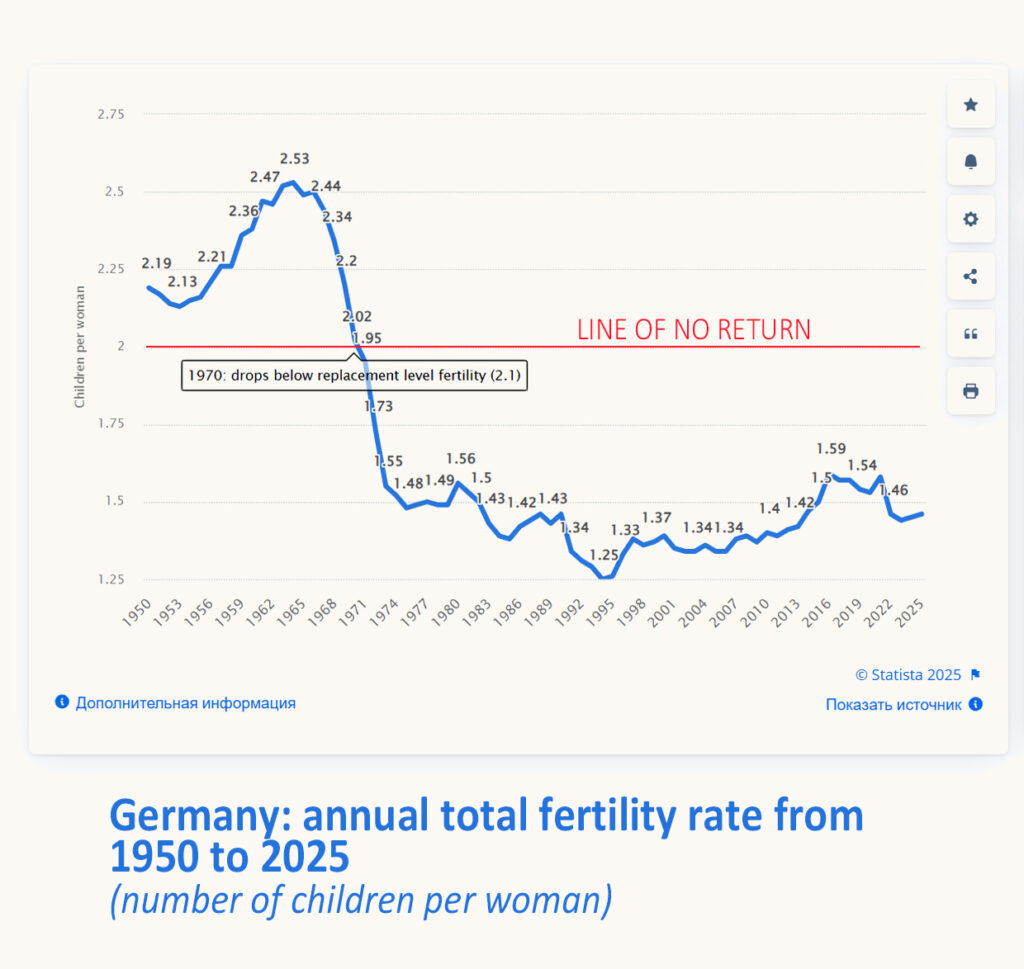
Germany is a country of elderly people. There are far more of them than young people. Pensions must be paid—and for that, new generations are needed, people who work and fill the budget with taxes. But the government sees that new generations are appearing rather sluggishly. So it came up with nothing better than importing future workers. And they wanted to bring them in such huge numbers that they took everyone without distinction: refugees from Syria—fine, there is a war there; refugees from North Africa—running from God knows what; refugees from Afghanistan and Pakistan, Somalia and Eritrea. Note this carefully: they took people without documents.
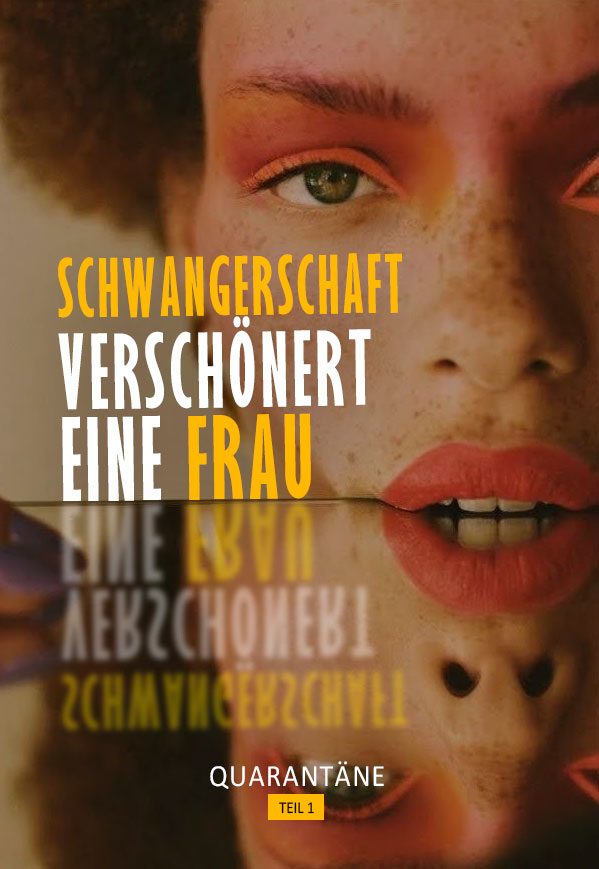
There is only one alternative for Germany—to give birth to children.
But how do you explain this to Klaus Hoffmann and his fiancée? I already introduced you to them. Neither Klaus nor Iris has made a career in life. Perhaps they once tried to start a family? Maybe. But in this case, the answer “it just didn’t work out” is the wrong answer. I tried four times—and it worked. Now I have four children. Smart and beautiful. I am happy. I apologize—some people truly cannot have children, and that is tragic. But there is a solution: adopt a child and create a family.
They simply don’t want to. Why would they need such a headache? But Klaus’s father raised him, didn’t sleep at night, argued with his wife about who would get up at night… And they simply don’t want to. It is precisely because of people like them that Germany is flooded with foreigners today. That wouldn’t be so terrible if foreigners loved Germany. But the overwhelming majority of newcomers hate Germany. And meanwhile, the government creates all conditions for them to give birth to children.
And here we ask the main question of the book Quarantine:
Why does the government not stimulate childbirth in German families?
Tried? Didn’t work? No problem—try again!!!!!
Go directly to German families. Offer money, for God’s sake! Vacations. Round-the-world trips with a ship full of children. Tax benefits. Interest-free loans. Give cars, finally, to families with two or three children. The money exists! Spend the money you currently spend on stimulating childbirth in foreign families—on yourselves. On your own children. Start promoting the family—you know how to do that. Television, radio—like in the days of old Goebbels, only don’t promote the killing of “inferior nations.” Save your own. We will talk about nations in the second part.
Redirect those billions into the German family.
It’s not that difficult. There just has to be desire. I have nothing against foreigners. My best friend is Sayud, and the most scandalous character in this book—Nyusha—is from Persia. And I myself am not German at all. My ancestors once lived here in a small town. But Germany is one for all of us. So let’s love it—truly, not just in words.